

Ways to Help Reduce Homeowners Insurance Costs in Ohio
Homeowners insurance premiums have been climbing steadily across the country, driven by inflation, extreme weather events, rising construction costs, and higher claim frequency. While some factors are outside your control, insurers price policies based largely on risk—and there are meaningful steps homeowners (and renters) can take to reduce that risk and potentially lower insurance costs over time.
Below are practical strategies that can help reduce premiums while also protecting your home and finances.
Understand How Insurance Pricing Works
Insurance is fundamentally a risk calculation. The more likely an insurer believes you are to file a claim—or the more expensive that claim might be—the higher your premium will be. Factors such as location, home condition, personal financial history and preventative measures all influence pricing.
The good news: many of the steps that make your home safer, more resilient and better maintained can also make you a more attractive policyholder.
Strengthen Home Security
Homes with visible security features are statistically less likely to experience break-ins, vandalism, or theft. Installing security systems—such as alarms, cameras, motion-sensor lighting, or smart locks—can reduce the likelihood of property crime and may qualify you for insurance discounts.
Even modest upgrades can help:
Monitored alarm systems
Door and window sensors
Exterior lighting
Video doorbells
For renters: While you don’t control the structure, many insurers recognize renter-installed security devices. Portable alarm systems, cameras, and smart locks can reduce renter’s insurance premiums while protecting personal belongings.
Weatherproof and Fortify Your Home
Weather-related damage is one of the most common drivers of insurance claims, particularly in areas prone to storms, wildfires or extreme temperatures. Insurers often reward homeowners who proactively protect their home.
Consider improvements such as:
Impact-resistant roofing or shingles
Fire-resistant siding or insulation
Storm shutters or reinforced windows
Improved drainage or water diversion
These upgrades can reduce damage severity during severe weather and, in some cases, help prevent catastrophic loss altogether. Beyond potential insurance savings, these improvements can significantly reduce repair costs after an event.
For renters: Renters can still protect personal property with fire-resistant storage, surge protectors and proper placement of valuables away from windows or flood-prone areas.
Install and Maintain Fire Safety Systems
Fire remains one of the most devastating and costly types of insurance claims. Working smoke detectors, carbon monoxide alarms and fire alert systems dramatically reduce fire risk and may lower insurance premiums.
Best practices include:
Installing smoke detectors on every level of the home
Regularly testing alarms and replacing batteries
Adding monitored fire alarm systems where possible
These relatively low-cost measures improve safety while signaling risk reduction to insurers.
For renters: Smoke detectors are often provided by landlords, but renters should still test them regularly.
Ask us about protecting your home with a free Ting fire sensor and service.
Improve and Maintain Your Credit Score
Many insurers use credit-based insurance scores as part of their underwriting process. Studies consistently show a correlation between strong credit history and lower claims.
Improving your credit profile may help lower premiums over time:
Pay bills consistently and on time
Reduce outstanding debt
Monitor credit reports for errors
While credit alone won’t override location-based risk, it can influence pricing, especially when combined with other risk-reducing behaviors.
For renters: Credit history plays a particularly important role in renter’s insurance pricing, making financial habits even more impactful.
Bundle Insurance Policies
Purchasing multiple policies from the same insurer, such as home and auto insurance, often results in multi-policy discounts. It’s important to talk with an agent about the best options for your specific needs.
For renters: Renters can often bundle renter’s insurance with auto or umbrella policies for similar discounts.
Pay Premiums Annually or Set Up Auto-Pay
How you pay your premium can affect its cost. Some insurers offer discounts for:
Paying the full annual premium upfront
Enrolling in automatic payments
These options reduce administrative costs and payment risk for insurers, savings that may be passed on to policyholders. If cash flow allows, paying annually can also eliminate installment fees that add up over time.
Consider a Higher Deductible
Your deductible is the amount you pay out-of-pocket before insurance coverage applies. Increasing your deductible typically lowers your premium because you’re assuming more financial responsibility when you file a claim.
This strategy works best for homeowners with:
Strong emergency savings
Low claim frequency
Homes in relatively stable risk areas
Be sure the deductible is an amount you could comfortably pay if a loss occurred.
For renters: Higher deductibles on renter’s insurance policies can also reduce monthly costs, especially for those primarily seeking protection against major losses rather than minor claims.
Evaluate Location-Based Risk
Location plays a significant role in insurance pricing. Homes in flood zones, wildfire corridors hurricane-prone regions, or high-crime areas typically face higher premiums.
For some homeowners, relocating to a lower-risk area can significantly reduce insurance costs over time. While relocation isn’t a short-term solution, it’s an important consideration when purchasing a home or renewing a lease.
For renters: Renters have greater flexibility to move between neighborhoods. Comparing renter’s insurance quotes by ZIP code can reveal substantial pricing differences.
Maintain Your Property Proactively
Putting off maintenance increases the likelihood of claims. Insurers may view poorly maintained properties as higher risk. Routine upkeep such as roof inspections, plumbing maintenance, tree trimming and HVAC servicing can prevent small issues from becoming costly insurance claims.
Lowering Risk
Reducing insurance costs isn’t about cutting corners, it’s about lowering risk. Many of the steps that can help reduce premiums also improve safety, protect property and increase long-term financial stability.
Whether you own or rent, being proactive, informed and intentional about risk management can pay dividends well beyond insurance savings.
Contact Wallace & Turner for a complimentary review of your coverage and to talk about ways you may be able to save.
Cold Weather, Hot Risks: Winter Fire Safety Tips for Homeowners
Winter is a season filled with warmth and celebration. But it’s also the time of year when the risk of home fires increases dramatically. According to the National Fire Protection Association (NFPA), home fires peak in December, driven by heating equipment, holiday decorations, candles and electrical hazards. For homeowners, understanding these risks—and knowing how to prevent them—is essential for your safety and protecting your home.
Below is a guide to the most common winter fire hazards and the steps you can take to minimize risk.
Space Heaters: Convenient but High Risk
Space heaters remain one of the top causes of fires. While they provide quick warmth, especially in older homes or drafty rooms, they also pose significant dangers if misused.
Key Space Heater Risks
Too-close proximity to combustibles (curtains, bedding, furniture)
Tipping over, especially older models without automatic shut-off
Overloading electrical outlets
Using extension cords or power strips, which can overheat
Prevention Tips
Follow the three-foot rule: Keep anything flammable at least three feet away.
Use heaters with tip-over protection and overheat sensors.
Plug directly into a wall outlet, never an extension cord.
Turn space heaters off when you leave the room or go to bed.
Inspect cords regularly for cracking or fraying.
Insurance note: Many policies require homeowners to take “reasonable precautions.” Improper use of space heaters may complicate a claim if they were used unsafely.
Chimneys & Fireplaces Require Maintenance
A crackling fire is the essence of winter comfort, but poorly maintained chimneys are a major fire hazard.
Key Fireplace Risks
Creosote buildup inside chimneys, which is highly flammable
Cracked chimney liners that allow heat to reach the home’s structure
Sparks or embers escaping the fireplace
Using improper fuel (e.g., trash, cardboard, plastics)
Prevention Tips
Schedule a professional chimney inspection and cleaning once per year, ideally before winter.
Use a sturdy screen or glass doors to prevent sparks.
Burn only dry, seasoned wood.
Never leave a fire unattended, especially if children or pets are nearby.
Fully extinguish the fire before leaving the house or going to bed.
Insurance note: Having up-to-date chimney inspections can help streamline fire-related claims and demonstrate proper home maintenance.
Christmas Trees: Beautiful but Flammable
A dry Christmas tree can ignite and engulf a living room in seconds. Both real and artificial trees come with risks.
Key Christmas Tree Risks
Dry, brittle needles on natural trees
Faulty lights or overloaded electrical outlets
Candles placed too close to the tree
Portable heaters blowing warm air onto branches
Prevention Tips
For real trees:
Choose a fresh tree with sap and flexible needles.
Water daily. Trees can dry out faster than you think.
Keep the tree at least three feet from heat sources.
For artificial trees:
Look for the label “fire-resistant.”
Avoid placing near fireplaces, radiators or space heaters.
For lighting:
Use UL-listed lights appropriate for indoor use.
Throw away any string lights with frayed wires or broken bulbs.
Turn off all tree lights before bed or leaving the house.
Insurance note: Fires involving Christmas trees can spread rapidly, resulting in extensive property damage and higher claims. Regular watering, safe lighting and heat-source clearance are simple steps that can significantly reduce exposure.
Candles: Small Flames, Big Hazards
Candles contribute to holiday ambiance, but they are a leading cause of winter home fires.
Key Candle Risks
Being left unattended
Placing candles near flammable decorations
Using unstable candle holders
Pets or children knocking candles over
Prevention Tips
Keep candles at least 12 inches away from anything that can burn.
Use sturdy, non-tip holders.
Never leave a burning candle unattended, even for a few minutes.
Consider battery-operated, flameless candles for décor-heavy areas.
Insurance note: If a candle fire occurs while a homeowner was away from the room, insurers may scrutinize the event. Prevention is key.
Holiday Décor & Lights: Festive but Potentially Faulty
From elaborate yard displays to indoor garlands and wreaths, holiday décor brings joy—but also introduces additional electrical and fire risks.
Key Holiday Décor Risks
Overloaded circuits
Old or damaged light strings
Indoor lights used outdoors
Exposed wires near flammable materials
Overheated extension cords
Prevention Tips
Inspect all lights for fraying or broken bulbs.
Don’t connect more strings together than manufacturers recommend.
Use outdoor-rated cords and lights for exterior decorations.
Keep electrical cords away from snow, standing water and walkways.
Turn off all decorations before bed or leaving the home.
Insurance note: Documenting your décor setup and using outdoor-rated equipment helps prevent electrical fires and supports any related insurance claims.
Cooking-Related Fires During the Holidays
Winter holiday cooking—big meals, crowded kitchens and distractions—makes this one of the most common sources of home fires.
Key Cooking Risks
Leaving cooking unattended
Grease fires on stovetops
Overcrowded ovens
Flammable items placed near burners
Prevention Tips
Stay in the kitchen when frying, grilling or broiling.
Keep a lid nearby to smother grease fires—never use water.
Keep flammable objects (towels, pot holders, packaging) away from the stovetop.
Make sure smoke alarms are fully operational before heavy cooking periods.
Insurance note: Many kitchen fires stem from momentary distractions. Active supervision and basic precautions can reduce the likelihood and severity of an insurance claim.
Electrical Overload: More Devices, More Risk
Winter tends to bring more electrical usage—heaters, holiday lights, charging stations and kitchen appliances all converge.
Key Electrical Risks
Overloaded circuits or power strips
Loose electrical connections
Aging wiring in older homes
Damaged cords under rugs or furniture
Prevention Tips
Plug high-wattage appliances directly into wall outlets.
Avoid daisy-chaining power strips.
Look for outlets that feel warm—this is a warning sign.
Upgrade old wiring if you live in an older home.
Insurance note: Electrical issues often cause severe fires with significant claims. Proactive upgrades can reduce risk.
Smoke Alarms & Fire Extinguishers: Your First Line of Defense
Even with the best prevention efforts, accidents can happen. Working smoke alarms and accessible fire extinguishers save lives.
Best Practices
Install smoke alarms on every level of the home, inside bedrooms and hallways.
Test alarms regularly and replace batteries annually.
Replace entire units every 10 years.
Keep a Class ABC fire extinguisher in accessible locations—kitchen, garage, near fireplaces.
Insurance note: Functioning safety devices can help minimize damage and support smoother claims handling.
Protect Your Home and Your Family This Winter
Taking these precautions not only protects your property and loved ones but also demonstrates responsible homeownership. If you have questions about homeowners insurance coverage, the Wallace & Turner team is here to help.
Don’t Let Thanksgiving Turn Into a Cornucopia of Trouble
Did I put too much salt in the gravy? Will grandma ask me why I’m still single? Will the Bengals beat the Ravens?
These are valid Thanksgiving Day concerns and hopefully the biggest worries you’ll have this holiday. Unfortunately, Thanksgiving can bring up a cornucopia of other troubles, from cooking accidents and injuries, to home and driving safety issues. Below, we’ve outlined a handful of steps you can take to make sure this is one of your most memorable Thanksgivings – for all of the right reasons.
PREVENTING A FIRE

According to the National Fire Protection Association (NFPA), Thanksgiving is the leading day of the year for home fires involving cooking equipment. From 2017–2021, cooking was the leading cause of reported home fires and home fire injuries, and the second leading cause of home fire deaths. These stats are a good reminder to use caution when preparing your Thanksgiving Day feast.
Deep Frying a Turkey
You’re probably not alone if your top question now is, “Can I still prepare that tasty deep-fried turkey?” While it’s not an absolute “no,” you should be aware that turkey fryers can lead to severe burns or other injuries, and even property damage, even if you’re extremely careful. Deep-frying a turkey requires a substantial amount of hot oil which can splash, spill or combust.
Butterball offers helpful cooking and safety tips whether you’re frying indoors or outdoors. As with any cooking, don’t leave your deep fryer unattended and keep children away from the frying area. Alternatively, consider contacting your local grocery store, a specialty food retailer or restaurants that sell deep-fried turkeys so you don’t have to encounter any risk.
Kitchen Safety
With family and friends going in and out of the house, TV and music volume, and possibly alcohol, it’s easy to be distracted while you’re cooking. Below are a few quick tips for keeping you and your home safe from accidents.
It’s tempting to try and accomplish other things while food is cooking, especially a turkey that takes hours, but you should check on food frequently and never leave your home while your oven or other cooking appliances are on.
Make sure you have timers set so food doesn’t burn and potentially set off smoke alarms or worse, cause a fire. Keep the timer next to you so you don’t miss it over loud conversations or other noise.
Keep your prep space clean and organized. Oven mitts, paper towels and dish towels, food wrappers and other easily combustible items should be kept at least three feet away from heat and flames.
Don’t wear billowy clothing that could come in contact with heat and flames.
Confirm that smoke alarms have new batteries and are properly working before you being cooking.
Avoid cooking if you’re drinking heavily.
It’s always a good idea to check your homeowners or renters insurance coverage if the worst does happen and you experience a fire or related loss.
AVOIDING CAR ACCIDENTS
Drinking and Driving
This should be a no-brainer but don’t drink and drive! According to the Centers for Disease Control and Prevention, drunk driving still causes 30% of all traffic-related deaths in the U.S. If you’re planning on drinking on Thanksgiving (or any day), arrange for a designated driver or call a cab, Uber or another service to get you safely from place to place.
Be mindful of who you hand your keys over to as well. Even if you’re watching your alcohol intake, your family member offering to run up to the grocery store for the missing ingredient may not be as sober as you think. Generally speaking, it’s always a good idea to limit loaning out your car. You may be on the hook as the insured if they get in an accident.
Review Your Auto Insurance Policy Before Hitting the Road
It’s widely reported that the week of Thanksgiving is the busiest travel period of the year, with millions of Americans traveling . This means the likelihood of getting in a car crash increases exponentially. While comprehensive car insurance coverage can’t prevent an accident, it can cover costs for vehicle damage and injuries. If you’re renting a car, determine what your policy will cover or not, and consider rental car insurance if necessary.
While you can’t predict other drivers’ behavior, you can take a few steps to safeguard yourself.
Give yourself extra time. Weather is often bad this time of year and with additional cars on the road, this is a Thanksgiving recipe for disaster if you’re rushing or stressed to make up for time in snow, rain and ice.
Secure food and other items. The last thing you want is additional hazards distracting you while driving. Prevent food from sliding around and ensure everything has tight lids.
Protect your pets. If your furry friends will be traveling with you, use a strapped in harness or other safety belt to keep them in one place. If you have to brake suddenly, this can avoid possible injuries.
Pack a roadside emergency kit. This is a good idea year-round, but especially in inclement weather and times when AAA or other roadside services may take longer to get to you.
PROTECTING YOUR HOME WHILE YOU’RE AWAY
Unfortunately, the holiday season can see an uptick in home robberies. Thieves know homes are often empty for days at a time and take advantage of this. Here are a few steps to keep your home safe while you’re away:
Keep your travel plans off social media. This can be a tough one since you want to share photos and good times with friends and family, but consider waiting until you’re back in town so the wrong person doesn’t become aware of your absence.
Put your lights on a timer and use motion detectors for outdoor lights.
Get a safe for small valuables such as jewelry and family heirlooms.
Ask a neighbor or friend to keep an eye on your home and pick up any mail so it doesn’t pile up and tip off burglars.
Arrange for yard service to clear away snow and ice while you’re away so it appears someone is home.
As an added precaution, invest in an outdoor security camera that you can monitor from anywhere.
Homeowners insurance such as dwelling coverage and personal property coverage may help recover costs in the instance of a break-in. Hopefully, you’ll never be the victim of a home burglary, but you should be aware of what your homeowners policy covers and be sure to document your home inventory in advance to expedite the claims process.
Questions? Contact Wallace & Turner at (937) 324-8492 or info@wtins.com.
Hackers Don’t Knock — Protect Your Home with Personal Cyber Insurance
In today’s world, “home” doesn’t just mean four walls and a roof—it means smart devices, Wi-Fi, personal data, online banking, and connected everything. As our digital lives continue to expand, the risks do too. Cyber threats aren’t just for big corporations anymore, they’re happening every day to individuals.
Here’s why personal cyber insurance coverage matters more than ever.
The Hidden Risk Isn’t Always What You Think
Savvy homeowners know to protect their property from fire, theft and natural disasters. What often gets overlooked? Digital threats. According to the Insurance Information Institute, 75% of consumers have experienced some form of data loss or cyber-attack, and yet more than 50% of insurance agents say their clients don’t fully understand the value of cyber insurance.
Homeowners insurance traditionally covers physical damage, property liability or theft but not necessarily when your malware-infected smart device triggers a breach or hackers get into your laptop. That’s why personal cyber insurance is becoming a crucial add-on.
Growing Exposure to Cyber Crime
Digital threats aren’t theoretical. They’re happening, and they’re expensive. Three out of four consumers have had their personal information lost or stolen, and 28% of consumers have had a social media account hacked. The average payout for a home cyber claim is more than $10,000.
Your home now hosts a host of entry points for hackers: smart doorbells, Wi-Fi cameras, network-connected thermostats and even your child’s tablet. A single phishing email, ransomware incident or data breach can set off a chain reaction of fees, identity restoration and reputation damage.
It’s easy to assume cybercrime only happens to big companies or wealthy individuals, but most incidents target everyday people. Take, for example, a family whose Wi-Fi baby monitor was hacked, allowing strangers to see and hear inside their home. Or a retiree who unknowingly clicked a phishing link that wiped out their savings account in minutes. Even small events like a teen’s social media account being hijacked and used for scams can lead to legal headaches, reputation damage and financial loss.
What Cyber Insurance Covers
How can personal cyber insurance help you in the instance of a breach?
Identity theft & online fraud: Coverage for legal and financial institution fees, credit monitoring and lost wages after an identity incident.
Cyber extortion/ransomware: Services to handle ransomware attacks and recover compromised files.
Data breach expenses: Costs tied to investigating how a breach occurred and notifying impacted individuals.
Smart-home device attacks: Help repairing or replacing systems hacked via IoT vulnerabilities.
Online harassment / cyber-bullying: For families, especially, coverage can help deal with consequences of cyber-bullying or online defamation such as social media monitoring, counseling or reputation management.
Because most standard homeowners policies don’t explicitly cover these scenarios, cyber insurance often comes as an endorsement or separate policy.
Why Cyber Insurance Is So Important Now
Modern homeowners face new risks — from hacked smart devices to stolen identities — and traditional coverage isn’t always enough. Consider this:
Exposure is everywhere: From remote work to connected devices, your home is a digital hub—and cyber risk follows.
It’s not about if, but when: Accepting that cyber threats are inevitable is the first step. The right coverage helps you react, not just suffer.
The right policy matters: Every cyber policy is different in what it covers. Knowing the exclusions, and what your coverage provides, can save you headaches.
Budget-wise, it makes sense: Personal cyber endorsements can cost a nominal amount compared to what you stand to lose if you’re a victim.
What You Should Do Right Now
Ask your agent if your homeowners or renters policy explicitly includes or excludes cyber risk.
Consider adding a cyber endorsement or standalone policy if you use smart devices, do remote work, shop online frequently, or have multiple connected family members.
Review what’s covered: identity theft response, ransomware recovery, device repair or replacement, reputation restoration, etc.
Keep your digital house in order: enable two-factor authentication, use unique passwords, update firmware, and be wary of email links. Prevention is still the most effective first line of defense.
The digital world is part of daily life, but it also brings new risks to every household. Personal cyber insurance is a simple way to protect what matters most—your identity, your data and your sense of security. Having the right coverage in place means you have a partner to help you navigate the aftermath while minimizing disruption to your life.
Contact us to ensure your home is fully protected: 937-324-8492.
Home Maintenance Tips to Prevent Insurance Claims This Winter
While summer temps are still here, it’s the perfect time to get a jump on preparing your home for the colder months ahead. Tackling a few projects now like cleaning gutters, inspecting your roof, servicing your HVAC system and checking your chimney can help prevent costly damage later. Many winter-related issues don’t just create headaches; they can also lead to costly homeowners insurance claims.
Here are our top home maintenance tips to help prevent insurance claims this winter.
Clean and Inspect Your Chimney and Fireplace
There’s nothing better than sitting by the fire on a snowy evening, but fireplaces and chimneys are one of the leading causes of home fires. Over time, creosote (a flammable residue) builds up inside the chimney. Without proper cleaning, it can ignite and cause devastating damage.
Schedule an annual chimney sweep before you light your first fire of the season.
Keep the damper closed when the fireplace isn’t in use to prevent drafts.
Always use a fireplace screen to protect floors and furniture from sparks.
A simple inspection and cleaning can save you from both safety risks and expensive insurance claims.
Service Your Furnace or Heating System
No one wants to discover a broken furnace on the first freezing night of the season. Preventive maintenance helps avoid emergency calls and costly breakdowns.
Schedule an HVAC professional to inspect and service your furnace.
Replace filters every 1–3 months.
Test your thermostat to ensure it’s working properly.
A well-maintained system keeps your home comfortable and reduces fire hazards caused by faulty equipment.
Seal Windows and Doors
Drafty windows and doors don’t just make your home uncomfortable, they also force your heating system to work harder, which can increase your energy bills and even cause wear-and-tear breakdowns.
To spot drafts, walk around your home and place your hand near the edges of windows and doors. If you feel cool air coming through, it’s time to seal them.
Use weatherstripping or caulk for small gaps.
Consider replacing cracked or outdated windows.
Add draft stoppers at the base of doors for extra insulation.
Even closing gaps as small as 1/8 inch can make a noticeable difference in comfort and energy efficiency.
Test Smoke Detectors, Carbon Monoxide Detectors and Fire Extinguishers
When winter arrives, most families use furnaces, fireplaces or even space heaters more frequently. All of which increase fire and carbon monoxide risks.
Test every smoke and carbon monoxide detector in your home.
Replace batteries at least every six months.
Make sure fire extinguishers are not expired and are accessible.
Review or create a family fire escape plan.
Consider a fire sensor like Ting. Contact our office to see if you’re eligible to receive this free through your homeowners insurance.
These quick checks can literally save lives.
Maintain Your Yard and Outdoor Spaces
Fall leaves look beautiful, but they can cause serious issues if not managed properly. Clogged gutters can lead to water backup, ice dams and roof leaks.
Clear leaves and debris from gutters and downspouts.
Make sure downspouts direct water away from your foundation.
Disconnect and store garden hoses.
Shut off and drain outdoor water lines.
Store or cover outdoor furniture to prevent damage from snow and ice.
Proactive yard maintenance keeps your property safe and prevents slip-and-fall accidents that could result in liability claims.
Trim Trees and Branches
Heavy snow and ice can weigh down branches, causing them to snap and damage your roof, car or power lines.
Trim overhanging branches before the first snow.
Remove dead or weak trees near your home.
Call a professional for larger jobs to ensure safety.
Tree maintenance not only protects your property but can also reduce the risk of liability if falling branches damage a neighbor’s home or car.
Schedule a Roof Inspection
Your roof is your home’s first line of defense against snow, ice and wind. Small issues in the fall can turn into big, expensive problems once winter storms hit.
Look for loose or missing shingles.
Check for cracks, sagging or damaged flashing.
Consider hiring a professional if climbing the roof isn’t safe for you.
An inspection in September or October ensures your home is protected before Ohio’s heavy snow arrives.
Stock Up on Winter Supplies
Ohio winters are unpredictable. One week it’s mild, and the next, a snowstorm knocks out power. Being prepared keeps you safe and avoids costly emergency expenses. Be sure to have the following on hand:
Snow shovels, ice melt and salt for sidewalks and driveways.
Firewood, if you use a wood-burning fireplace.
A stocked emergency kit with flashlights, blankets, batteries and non-perishable food.
Portable chargers for phones in case of outages.
A little planning now means you won’t be caught off guard when winter weather hits.
Winterize Indoor Pipes
Frozen pipes are one of the most common and expensive winter homeowners insurance claims in Ohio. When water freezes, it expands and can burst pipes, causing flooding, mold and extensive damage.
Once the temperature starts to drop, prevent frozen pipes by:
Wrapping exposed pipes with insulation sleeves (especially those near exterior walls).
Shutting off and drain water to unused areas.
Opening cabinets under sinks to allow warm air to circulate.
Keeping your home heated to at least 55°F, even if you’re away.
A few dollars of insulation can prevent thousands in repair costs.
Review Your Homeowners Insurance Coverage
While you’re tackling these fall maintenance projects, it’s also the perfect time to review your homeowners insurance policy. If you’ve renovated your home, added expensive new belongings or haven’t updated your coverage in years, you may be underinsured. You could also be eligible for discounts, especially if you’ve enhanced your home’s security, replaced your roof or made other improvements that reduce risk.
At Wallace & Turner Insurance, we help Ohio homeowners tailor their coverage to fit their needs and budget. An annual review ensures your policy reflects your current home and lifestyle, so if the unexpected happens, you’re fully protected.
An Ounce of Prevention is Worth a Pound of Cure
Ohio winters can be tough, but a little preparation goes a long way. By cleaning gutters, sealing windows, servicing your furnace and taking other preventive steps, you can avoid many of the most common homeowners insurance claims.
Remember: an ounce of prevention is worth a pound of cure—and that’s especially true when it comes to protecting your home.
If you’d like to review your homeowners insurance coverage or discuss whether your current policy meets your needs, our team is here to help.
Is Your Insurance Policy Still Working for You? Why You Should Reevaluate Coverage Today
For most people, insurance is one of those things that gets filed away and forgotten—until something goes wrong. But Insurance Awareness Day, observed each year in June, is a valuable reminder that coverage shouldn't be a “set it and forget it” part of life. Whether you're an individual safeguarding your home and health, or a business owner managing risk and liability, now is the time to ask: Do I really have the coverage I need?
From rising property values to increasing cyber threats, the world continues to evolve, and so should your insurance. Here’s what you should be reviewing (at a minimum) with your independent insurance agent to make sure you’re protected, informed and financially secure.
Homeowners and Renters Insurance: Are You Covered for What It Would Cost Today?
If you haven’t looked at your homeowners or renters policy in a few years, you might be underinsured. Many people assume their coverage will take care of everything if disaster strikes, but that’s not always the case, especially in today’s economy.
Why review now?
Rising replacement costs: The price of building materials and labor has increased significantly. If your home were damaged or destroyed, would your policy cover what it costs to rebuild today?
Personal property gaps: Think about your electronics, appliances, furniture or new purchases like exercise equipment or luxury handbags. Are they included? Are the limits still realistic?
Natural disaster risks: Flooding and wildfires are on the rise in areas not historically known for them. Standard policies don’t cover flood damage, and wildfire exclusions are increasing in some states.
What to ask your agent:
Do I have replacement cost coverage or actual cash value?
Are my valuables (jewelry, art, electronics) properly covered?
Should I consider additional endorsements or umbrella coverage?
Auto Insurance: Beyond the Basics
If you've recently purchased a newer or more expensive vehicle, you’ll want to make sure you're fully protected.
Why review now?
Underinsured motorists: Accidents involving uninsured or underinsured drivers are more common than you might think.
Rising repair costs: Advanced safety and tech features mean even minor fender-benders can result in expensive repairs.
Lifestyle changes: If you’re commuting less, bundling policies or adding teen drivers to your household, your rates and needs could shift.
What to ask your agent:
Is my liability limit high enough to protect my assets?
Should I have comprehensive and collision coverage?
Do I need gap insurance for a new vehicle?
How does my deductible affect my premium?
Business Insurance: What Growing Companies Often Miss
For business owners, having the right insurance can mean the difference between survival and bankruptcy after an unexpected event. Yet many small and midsize businesses are underinsured or unaware of new risks that require coverage.
Why review now?
Cyber threats are growing: Every size of business is at risk. Even small businesses are frequent targets of data breaches and phishing scams.
Remote work shifts liability: Having employees work from home can change your exposure.
Business interruption insurance: COVID-19 revealed how many companies weren’t clear on their policies.
What to ask your agent:
Do I have the right level of general liability and professional liability coverage?
Should I consider cyber liability or employment practices liability insurance?
What’s excluded from my current policies?
How would my business income be protected during a disruption?
Umbrella Policies: Extra Protection for Life’s “What Ifs”
An umbrella policy provides an extra layer of liability coverage beyond what your homeowners or business policy typically includes. It’s relatively affordable and can be crucial if you’re sued for a large amount—especially in today’s litigious environment.
Why review now?
Asset protection: If you have savings, property or investments, you need to protect them from large liability claims.
Peace of mind: Accidents happen—even one social media post or dog bite could lead to a lawsuit.
What to ask your agent:
At what net worth level should I consider umbrella coverage?
How does it coordinate with my existing policies?
What scenarios are most commonly covered?
Life Insurance: A Future-Focused Conversation
Life insurance is not just for people with dependents or those approaching retirement. If you have student loans with a co-signer, a mortgage or anyone who depends on your income, it’s worth considering. And if you already have a policy, it’s important to revisit the details as your life evolves.
Why review now?
Milestones matter: Marriage, children, homeownership and career changes should trigger a review.
Employer-provided insurance isn’t always enough: Many people rely on workplace policies that may not be portable or adequate.
Policy types vary: Term vs. whole life, cash value options and riders can significantly change what you’re getting—and paying.
What to ask your agent:
How much coverage do I really need?
What are the pros and cons of term vs. permanent insurance?
Are my beneficiaries up to date?
Can I convert or adjust my existing policy?
Contact Wallace & Turner’s Life & Health Team.
Awareness and Knowledge Leads to Better Protection
Insurance Awareness Day isn’t just about checking a box—it’s about taking control of your financial well-being. An annual review with your independent agent can help you avoid surprises, close dangerous gaps and even find savings through smarter bundling or updated risk assessments.
Life changes. The economy shifts. Risks evolve. Your coverage should too.
Contact Wallace & Turner today to discuss your existing coverage, or if we can provide a complimentary quote for new coverage. 937-324-8492 or here.
Gold Prices Are Soaring — Is Your Jewelry Properly Insured?
Gold prices have surged to record highs in recent months. Driven by global economic uncertainty, inflation fears and geopolitical tensions, investors have turned to gold as a safe haven — significantly pushing its value up. While this is good news for anyone holding gold assets, it also comes with an important caveat: many households may now be underinsured when it comes to their luxury gold jewelry, watches and heirlooms.
If you haven’t reviewed your insurance policy lately — or worse, you’ve never had your high-value items appraised — now is the time to take action.
Why the Spike in Gold Prices Matters to You
Jewelry isn’t just sentimental — it’s a financial asset. When gold prices rise, so does the value of gold-based pieces, especially those with high purity. A gold necklace purchased five years ago for $5,000 may now be worth significantly more. But unless you've had it professionally reappraised and updated your insurance policy accordingly, your coverage might only reflect its original, outdated value.
This is where many policyholders fall short. Standard homeowners or renters insurance policies often include limited coverage for jewelry — typically capped at around $1,000 to $2,500 unless you’ve added a specific rider or scheduled item coverage. Without up-to-date valuations, you risk being underinsured in the event of theft, damage or loss.
The Hidden Risk of Being Underinsured
It’s easy to assume your valuables are protected, especially if you’ve held the same insurance policy for years. But coverage that seemed sufficient even a few years ago may no longer be adequate given current market conditions. And it’s not just about the raw gold value — inflation, craftsmanship, brand recognition (think Cartier or Rolex) and historical significance all influence an item’s worth.
The average policyholder tends to underestimate the true value of their luxury items, especially when sentimental attachment overshadows a realistic appraisal. If you’re relying on outdated valuations — or no documentation at all — you could be left footing the bill if something goes wrong. Having the right documentation also helps streamline the claims process in the unfortunate event of loss or theft.
Tips for Protecting Your Gold Jewelry
If you haven’t reviewed your jewelry coverage recently, here are a few steps to take:
Inventory Your Collection: Start by documenting each piece — photos, receipts, certificates, serial numbers and any previous appraisals. Even items stored in a safe or safety deposit box should be accounted for.
Get a Professional Appraisal: Look for a certified gemologist or a reputable jewelry appraiser, preferably one affiliated with a professional organization such as the American Society of Appraisers (ASA). Ask for an insurance replacement appraisal that reflects current market values.
Update Your Insurance Policy: Share your updated appraisals with your insurance agent and discuss whether your current policy offers adequate protection. If not, explore scheduled personal property coverage or a separate valuables policy.
Reappraise Periodically: Gold and other precious materials fluctuate in value. As a rule of thumb, items should be reappraised every three to five years — or sooner if market conditions shift dramatically, as they have in 2025.
Secure Storage and Documentation: Insurers often offer lower premiums for valuables kept in secure storage, such as home safes or bank deposit boxes. Keeping digital backups of receipts, appraisals and photographs in cloud storage can also help support any future claims.
A Rising Market Shouldn’t Be a Liability
Whether you wear your gold or keep it locked away, it has monetary value that deserves the same attention as your home, car or other high value items. By being proactive, you can protect yourself from the emotional and financial stress of discovering too late that your treasured possessions weren’t properly insured. As gold continues to climb, your jewelry is becoming more valuable by the day. Make sure your insurance coverage reflects that reality.
Questions About Gold Jewelry Insurance Coverage?
Contact Wallace & Turner in Springfield (937) 324-8492 or Urbana (937) 652-8492 to review your existing policies and ensure your gold jewelry and heirlooms are fully protected.
Sewer Backup Risks During the Holidays

Myles Trempe - Producer
Sewer backups are a common and often costly problem during the holiday season. Contributing factors include overloading drains with food debris (especially leftover grease) or excessive use of the plumbing system by visiting guests. In addition, certain regions are entering rainy season as the dry, sunny months of September through early November have come to a close—an increased risk for sewer backups or sump pump failures.
Sewer backups can occur for a variety of reasons, including clogged pipes, heavy rainfall, or faulty drainage systems. During the holidays, the additional strain on plumbing systems can also contribute to these issues.
Sewer backup is typically defined as water that backs up or overflows from a sewer, drain, or sump pump. If this coverage isn’t included in your policy, you may find yourself without protection when a sewer backup occurs.
Water Backup Insurance
Water backup insurance can help cover the costs of repairing damage to your home caused by sewer, septic, or drain backups. It can also pay to replace damaged property, such as flooring, furniture, and personal items. This coverage is typically purchased as an endorsement to your existing policy, often in increments of $5,000. Homeowners with finished basements face the greatest risk and may want to consider higher coverage limits to ensure adequate protection.
Questions about water backup insurance? Contact Wallace & Turner at 937-324-8492 or info@wtins.com.
Wallace & Turner Launches New Text Line for Policyholders: 937-918-7632
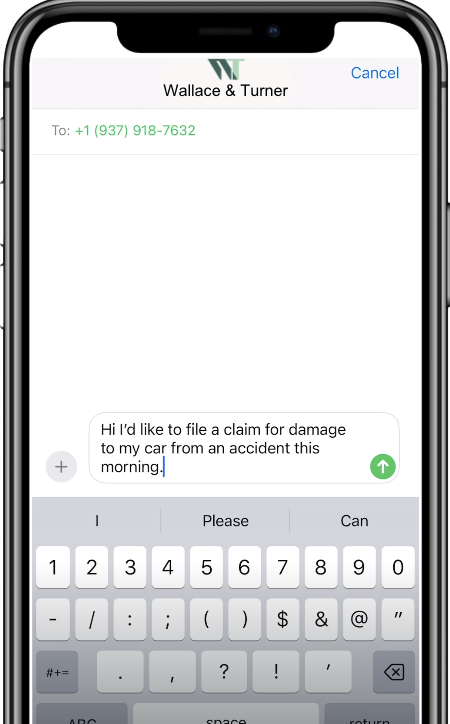
We are excited to announce the launch of our new dedicated text line – 937-918-7632 – making it easier than ever for you to reach us for all your insurance needs!
Whether you have questions, need to make policy changes, send photos for claims or any other general correspondence, you can now text us directly.
This text line is designed to provide a seamless and efficient way for you to connect with us 24/7. We look forward to serving you with this added convenience!
Serving Alcohol at Your Super Bowl Party? Here’s How Homeowners Insurance Can Defend Your Turf

As with any gathering you host at your home, understanding what your homeowners insurance will or will not cover is important so you (and your wallet) are not held liable for guests’ accidents. Below, we address some common questions about homeowners’ liability if your intoxicated guest leaves your Super Bowl party and causes injuries.
Does homeowners and renters insurance cover liability if a drunk guest leaves and causes a car accident injuring his/her passengers and the other driver? Is the other driver's car damages covered by the host's home or renter's insurance?
The auto policy would be the primary source of recovery for the driver. The homeowner/tenant might be brought into it from a liability standpoint. “Host Liquor Liability,” or similar coverage, might apply for the homeowner/tenant if that is an included coverage, sometimes available for situations where no fee is charged for the alcohol. If a fee is charged for alcohol, then actual Liquor Liability would be needed. If the claim is covered for the injuries of others, then it would follow that the property damage caused to the other vehicle also should be covered, subject to availability of liability protection.
What if the drunk guest left the party, walked home and damaged a neighbor's property, or bumped into a dog walker injuring them?
While there might be some continuity of circumstances directly related to the alcohol, there could also be a break in same; and the damage to the neighbor’s property would need to be accidental, as the drunk guest’s insurer would most likely deny coverage for an intentional act. Most likely, this situation would probably result in a denial of coverage as the guest had reached his home and that probably constitutes the end of the host’s liability.
Does the host's insurance cover the host if the drunk guest got into a fight and hurt another person after he left the host's party?
While it might be a stretch to get to any covered claim in this scenario, the “fight” is almost assuredly excluded from coverage as that could, or would be, considered “assault” and specifically excluded (intentional injuries), unless it’s considered protecting or preventing physical injury of himself.
Using the scenarios above, does a rider or endorsement or floater to renters or home insurance cover the host?
Host Liquor Liability would provide coverage, where referenced above.
Insurance excludes intentional and criminal acts. If drunk driving is considered intentional, and obviously it's criminal, does that mean home or renters insurance would never cover a third party injury caused by a drunk guest that left the party and caused the injury?
When the driver gets behind the wheel and is intoxicated, typically the driver is not intentionally looking to injure someone – if he/she is, then most likely the intentional act or similar language would be cause for denial. For the purpose of this discussion, we’re going to assume that the intoxicated driver is covered while behind the wheel (there are some insurers that won’t insure drinkers, or won’t cover an accident involving alcohol and have that as part of their contract).
However, “never” is a little extreme, just ask an insurance company, attorney, judge or juror; too many differing opinions out there to make the “never” statement. So, the answer is, there definitely could be a case made for an owner or renter to be brought into a situation where it’s involving a third party.
Questions about homeowners insurance coverage? Contact Wallace & Turner at (937) 324-8492 in Springfield, (937) 652-8492 in Urbana, or info@wtins.com.
Myles Trempe Discusses Bundling Home and Auto Insurance with MoneyGeek
Myles Trempe - Producer
In an interview with MoneyGeek, Producer Myles Trempe explained whether it’s always worth bundling home and auto insurance policies with the same company, and if there are any downsides to bundling.
“Most companies will offer a discount for bundling; however, it’s possible you could purchase separate policies and pay less money,” Myles said. “It’s worth pricing both options and seeing which is the least amount (now and over time), which an independent insurance agent can help with.
Read the full article here.
Questions about bundling your home and auto insurance? Contact us at 937-324-8492 or online here.
Finding the Best Homeowners Insurance Coverage – P.J. Miller Interviewed by MoneyGeek

P.J. Miller
The “best” homeowners insurance really means finding coverage that fits your particular needs and budget. In an interview with MoneyGeek, Vice President P.J. Miller discussed common mistakes first-time home buyers may make, recommended homeowners insurance endorsements and exclusions that may come as a surprise to buyers.
When asked about exclusions, P.J. said, “Most homeowners are surprised to learn that their standard homeowners' policy does not cover flood insurance. Also, certain dog breeds may be excluded depending on your insurance company and where you live.”
Read the full interview here.
Questions about homeowners insurance coverage in Ohio? Contact us at 937-324-8492 or here.
Ways to Save on Home Insurance in Ohio

Home Insurance vs. Home Warranties - What’s More Important?

When to File an Insurance Claim

How Much is Flood Insurance in Ohio?

Inflation Could Make Your Homeowner's Insurance Inadequate – P.J. Miller Discusses the Important of a Replacement Cost Guarantee with Consumer Affairs

P.J. Miller

If you haven’t checked your homeowner’s insurance policy in a while, it may be wise to do so. Inflation is rapidly increasing building costs and if your house is damaged or destroyed, having inadequate coverage might result in a significant loss. In an interview with Consumer Affairs, Partner P.J. Miller explained how having a “replacement cost guarantee” provision can cover the cost to repair or replace your home, even if the amount exceeds your coverage.
P.J. said the forerunner of the current day “guaranteed replacement cost” was the “inflation guard endorsement and while it’s not known if all carriers provided this option, most did for various reasons. “An example would be the simple fact that you don’t have to remember to contact your carrier to increase coverage and the peace of mind knowing that it’s done automatically.”
He also noted that it’s important to understand how your policy’s inflation adjustment works. Some policies might increase the coverage only for the policy term and then reset it to the prior term’s coverage amount.
Read the full article here.
Questions about your homeowner’s insurance coverage? Contact Wallace & Turner at 937-324-8492 or info@wtins.com
Wallace & Turner Hosts Lunch & Learn at Real Estate II
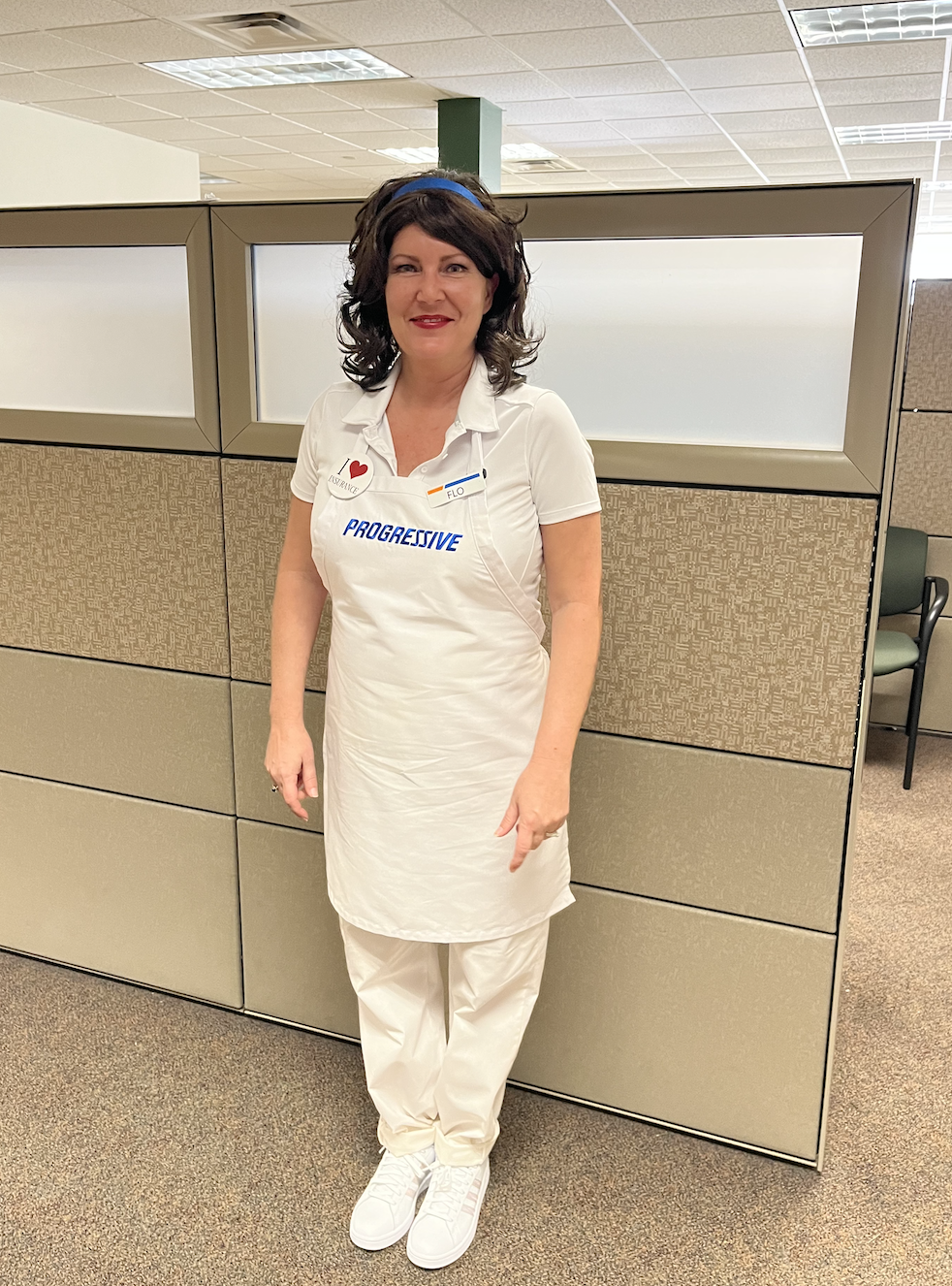
Thank you to Real Estate II for having us on March 10, 2022, for a Lunch & Learn! We tested their insurance knowledge, gave out swag, had a delicious lunch from Mike & Rosy's Deli and there was even a special appearance by Progressive's Flo!
Interested in a Lunch & Learn at your company? Contact us to find out more: 937-324-8492



Umbrella Insurance in Ohio: What It Is, Who Needs It & Why
Insurance is often figuratively compared to an umbrella. If liability and risk are the rain, your insurance policy is the umbrella because it keeps you dry. But within insurance coverage, there is also a policy specifically called Umbrella Insurance. So what does this coverage do that’s different from a standard policy? Umbrella insurance in Ohio is a way to make your umbrella of protection bigger.
In other words, an umbrella insurance policy extends your coverage for liability. While many insurance policies already have liability coverage, they often don’t have enough. Umbrella insurance is a way to protect against that problem.
Is this type of extended coverage right for you? The team at Wallace & Turner is here to guide you through the decision by identifying which assets an umbrella policy would help cover and to determine how much coverage you should have. Our independent insurance agents are available to answer any questions you have Ohio umbrella insurance. Read on to learn more, or reach out to our team to talk about your policy options.
What is Umbrella Insurance?
Imagine you’re driving around Springfield, Ohio, when you get a distracting text message. You look down to see what it says, and in an instant, you slam into the rear of the car stopped at an intersection in front of you. The driver is hurt and his car is totaled. A few weeks later, you get notice that he’s suing you for $600,000.
Your standard car insurance may carry a liability limit of $300,000. If that’s the case, you would have to pay the remaining $300,000 out of your own pocket — that is, unless you had umbrella insurance.
Umbrella insurance is an additional policy designed to cover the difference between the liability limits on your existing policies and the amount you’re sued for. It’s also designed to cover related costs, such as the cost of a defense lawyer.
Types of Umbrella Insurance
Umbrella insurance isn’t just for car accidents, although this is a common use for the coverage. It’s actually designed to cover you against a wide range of liability. Here are some examples of the types of liability Ohio umbrella insurance can cover:
Boating accident liability
Homeowner liability (involving slip-and-fall accidents and similar issues)
Libel and slander
Umbrella insurance can cover many types of incidents that standard insurance policies won’t.
How it Works
Umbrella insurance policies usually won’t kick in until the limits of your other applicable policies are exhausted. For example, if you have a $250,000 liability limit on your homeowners policy and you are sued for $300,000 due to a slip-and-fall accident at your home, your umbrella policy would pay the $50,000 difference.
Umbrella insurance can cover your personal liability or liability related to your business. Keep in mind, however, that these types of policies are usually separated. A commercial umbrella insurance policy likely won’t cover you for an accident in your home, and a personal umbrella insurance policy likely won’t cover you for an accident at your place of business.
Things Umbrella Insurance Won’t Cover
Umbrella insurance is a particularly handy type of coverage if you have valuable assets or face a lot of potential liability, but it isn’t a catch-all. This type of insurance won’t cover everything, which is why it’s important to work with an insurance professional to make sure you’re covered in every way you need to be.
Here are some examples of things umbrella insurance policies typically won’t cover:
Injuries that happen to you
Damage to your property
Liability from contract violations
Any criminal or intentional acts you commit
Third-party liability involving your business
Who Needs Umbrella Insurance in Ohio?
Most people could benefit from having extra coverage, but umbrella insurance is only needed if you face certain types of liability. The following are some examples of when you may need this type of coverage:
You own property.
You are a landlord.
You are a public figure.
You coach children’s sports.
You own a gun, dog, trampoline, pool, hot tub or other items that can lead to injuries.
You have a lot of guests in your home.
All of the above scenarios can mean you are particularly vulnerable to liability. And an Ohio umbrella insurance policy is an effective way to protect yourself.
Why Get Umbrella Insurance?
The primary benefit of umbrella insurance is relatively straightforward: You are better protected from being sued. But these benefits actually go deeper than that. For example, the coverage amounts for umbrella insurance in Ohio typically start at $1 million, and that will usually cost you between $150 and $300 per year in premiums. And if you need more than $1 million in coverage, you can usually add on another million for around $75 each year.
That’s pretty affordable, especially when you consider that the average car accident settlement is more than $24,000, with settlements on the higher end easily topping hundreds of thousands of dollars.
Additionally, if you’re a world traveler, umbrella insurance may be the only type of liability coverage that travels with you. Typically, your Ohio umbrella policy will cover you for liability that arises anywhere in the world.
Find the Best Ohio Umbrella Insurance Policy for Your Needs
Put simply, umbrella insurance can be a lifesaver. No one wants to be sued, but if you are a member of society, you are always at risk. It’s just like rain — any time you go out, you run the risk of getting wet. That’s why you shouldn’t leave the house without your umbrella.
Umbrella insurance can offer the kind of broad liability protection you need, no matter the circumstances you face or the value of the assets you own. There are plenty of policies to choose from, and figuring out which one is right for you can be a challenge. We’re here to help.
The Wallace & Turner team can connect you with the perfect Ohio umbrella insurance policy to protect you, your family and your wallet. Ready to make sure you’re fully covered? Then reach out to our team. Give us a call at 937-324-8492 or contact us online today.